Hanwell Skip Hire - Health and Safety Policy
Hanwell Skip Hire is committed to delivering a safe and reliable rubbish company and skip hire service across its operational service area. This policy sets out the principles and controls that govern our waste collection, skip hire and rubbish removal activities. The purpose is to protect employees, contractors, members of the public and the environment by reducing risk associated with waste handling, transport and disposal. Our approach reflects industry best practice for a local rubbish removal service and broader waste management responsibilities.
Policy statement
We commit to complying with applicable health and safety requirements and maintaining a proactive culture of safety. Managers and staff must ensure that safety considerations are central to all planning and execution of rubbish collection, skip delivery and clearance operations. The objective is to prevent injury, avoid pollution incidents and maintain secure, legal operation of our skip hire and waste transfer activities.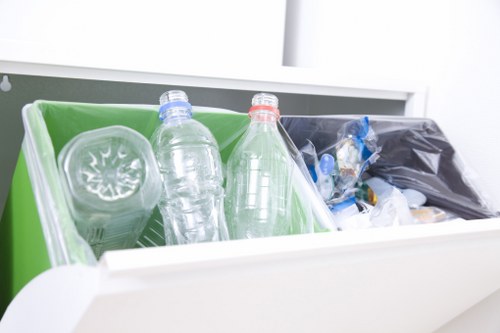
Scope and definitions
This policy covers all operational activities performed by Hanwell Skip Hire and those who act on its behalf. It applies to vehicle operations, manual handling, site loading/unloading, customer premises visits, on-site skips and transfer to permitted facilities. Terms used include: rubbish company, skip hire, waste collection, and waste management.Responsibilities
All staff share responsibility for safety. The following roles have particular duties:- Directors — set policy, allocate resources, and review performance.
- Managers — ensure risk assessments, safe systems of work and training are in place.
- Employees and contractors — follow procedures, use PPE and report hazards without delay.
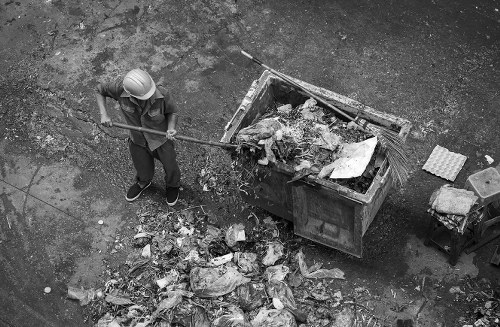
Our rubbish removal operatives are expected to demonstrate safe behaviour during skip placement, waste collection and site clearance, and to respect customers and public safety when working in diverse service areas.

Risk assessment and safe systems of work
Systematic risk assessment is central to our health and safety management. We identify hazards associated with manual handling of waste, vehicle movements, working at the roadside, lifting and using skips, and handling of potentially hazardous materials. Controls are designed to eliminate or reduce risk so far as reasonably practicable.Controls include
- Safe loading limits for each skip type and vehicle.
- PPE requirements — high-visibility clothing, gloves, steel-toe boots and eye protection where appropriate.
- Traffic management — use of cones, signs and trained banksmen for roadside operations.
We operate a permit-to-work approach for non-routine tasks and ensure documented safe systems of work are used during complex rubbish clearance or when potentially hazardous wastes are suspected.

Training and competence
Staff competence is essential for safe waste services. Training covers manual handling, vehicle safety, loading techniques, segregation of waste streams and emergency response. Refresher training and assessments are scheduled regularly. New recruits receive induction that emphasises our safety culture and the obligations of a professional rubbish company and waste collection service.Vehicle and plant safety
All vehicles and plant used by Hanwell Skip Hire are subject to routine inspections, pre-use checks and maintenance schedules. Drivers must follow safe driving policies, secure loads correctly and comply with road safety rules. Vehicles used for skip transport are fitted with appropriate restraint systems to prevent shifting loads and to protect both the operator and the public.Personal protective equipment is provided free of charge and must be used when required. Failure to wear specified PPE may result in disciplinary action to maintain safety standards for the entire team.
Hazardous waste and segregation
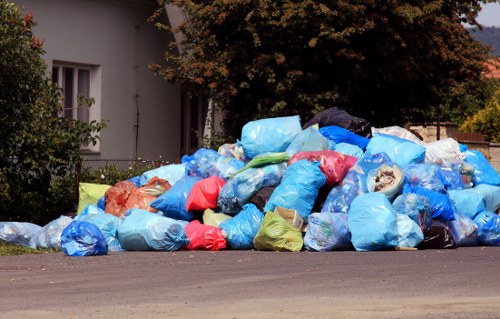
While most waste handled is non-hazardous, the company recognises its obligations for safe segregation, containment and transport of hazardous or special wastes. Any discovery of asbestos, chemicals, solvents, batteries or sharps triggers immediate suspension of normal operations, isolation of the material and notification to the nominated manager for specialist handling. Under no circumstances should staff assume unknown materials are safe; they must report and await guidance.Incident reporting and emergency procedures
All incidents, near-misses and accidents must be reported via the company reporting system. We investigate incidents to identify root causes and apply corrective actions. Emergency procedures cover spills, vehicle collisions, fire and medical emergencies; staff are trained in initial response and in raising alarms promptly.Monitoring, review and continual improvement — Our health and safety performance is monitored through audits, inspections and KPI reviews. We set measurable objectives for safe operations and waste compliance, and we update this policy in response to operational changes, legislative updates or learning from incidents. This policy is supported by documented procedures and records demonstrating our commitment to safe waste collection, skip hire and rubbish clearance across our service area.
Compliance and enforcement
Hanwell Skip Hire expects all staff to comply with this policy. Managers will enforce standards fairly and consistently. Any breach that puts people or the environment at risk will be addressed through corrective action or disciplinary steps as appropriate. We remain committed to acting responsibly and maintaining the highest practical standard of safety across our rubbish removal and skip hire services.Signed on behalf of the company — This policy is approved by senior management and will be reviewed at least annually or when significant changes occur. It forms part of the legal and moral framework ensuring safe and compliant operation of our skip hire and waste services.
End of policy document.