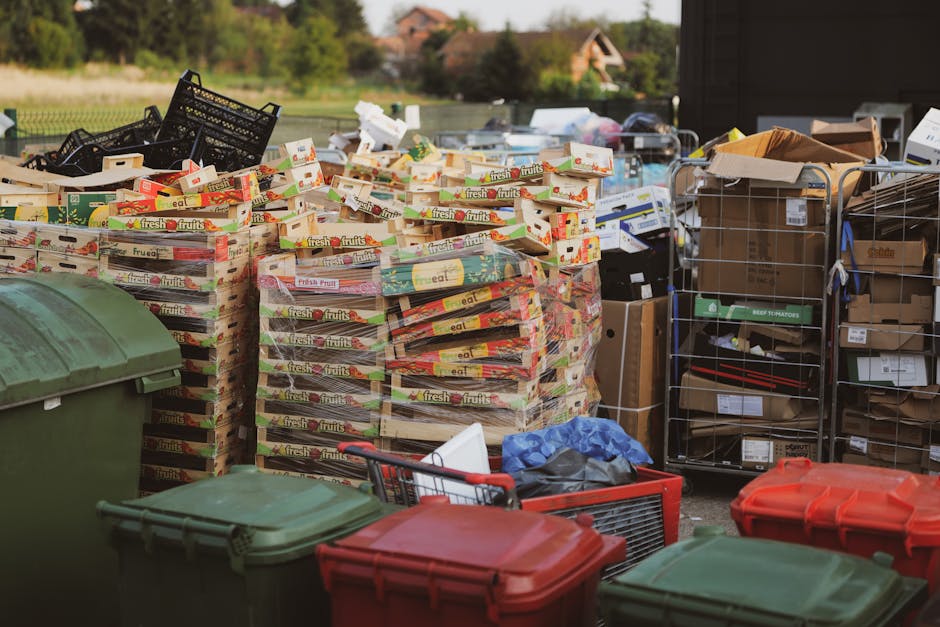
Brent Lodge Park bulky rubbish collection guide

If you are trying to clear bulky waste near Brent Lodge Park, you probably want the same thing most people do: a straightforward plan that gets the job done without stress, mess, or a second trip to the dump. The Brent Lodge Park bulky rubbish collection guide below walks you through the process in plain English, from sorting awkward items to choosing the right collection method and avoiding the usual headaches. Whether you are dealing with a sofa that will not fit through the door, a tired mattress, or a pile of mixed household clutter, a little structure saves time. Truth be told, it also saves a fair bit of faff.
In this guide, you will find practical steps, common mistakes, compliance considerations, and a simple way to decide whether skip hire, man and van, or a wait-and-load option makes the most sense. If you are comparing service types, it can also help to look at professional rubbish removal, domestic skip hire, and the useful notes on what can go in a skip before you book anything.
Why Brent Lodge Park bulky rubbish collection guide Matters
Bulky rubbish has a way of hanging around. One chair becomes two, then there is a broken chest of drawers, a rusting bike, and suddenly the garage feels like a storage unit nobody asked for. Near Brent Lodge Park, that matters because bulky waste is awkward to move, awkward to load, and often too heavy or too large for a normal bin collection. If you get the approach wrong, you can waste an entire afternoon trying to make it fit, or worse, leave items exposed on a driveway for longer than you meant to.
There is also the practical side. Bulky waste is often mixed: wood, fabric, foam, plastic, metal, maybe some electrical parts. That mix affects how it should be handled, where it can go, and whether it can be recycled cleanly. A good collection plan helps you separate out reusable or recyclable material, avoid contaminated loads, and make sure anything restricted is dealt with properly through the right route, such as hazardous waste disposal where needed.
And then there is time. Most people do not really want to spend all day loading awkward waste into the back of a car while rain threatens from the grey London sky. Fair enough. A sensible bulky rubbish collection plan is about reducing effort, protecting surfaces, and getting back to normal sooner.
How Brent Lodge Park bulky rubbish collection guide Works
At its simplest, bulky rubbish collection is a structured removal of items that are too large for day-to-day bins. The process usually starts with identifying what needs to go, then deciding whether you need a skip, a collection crew, a wait-and-load service, or something more specialised. That decision matters because the wrong method can lead to overpaying, access problems, or unnecessary delays.
In practice, you will usually go through four stages:
- Sort the items into general bulky waste, reusable items, recyclables, and restricted waste.
- Check access so collection vehicles or loading crews can reach the waste safely.
- Choose the right service based on volume, timing, and whether loading space is available.
- Prepare the waste so it is safe to lift, stack, and remove.
If your waste is mainly from a room clear-out or furniture refresh, a direct collection can be very efficient. If you are clearing more mixed waste, you may want to compare it with house clearance or garage and loft clearance. For outdoor jobs, garden waste removal or site clearance may be more suitable. Different jobs, different tools. Simple enough, but easy to miss when you are in a hurry.
For many readers, the key operational choice is between leaving waste in one place for a scheduled collection, or using a wait and load skip hire approach where the vehicle stays only for loading time. That can be useful when roadside storage is awkward or you do not have space for a long-dwell skip.
Key Benefits and Practical Advantages
The main benefit of using a proper bulky rubbish collection method is not just convenience. It is control. You know what is going, how it is being moved, and roughly how long it will take. That makes a surprising difference when you are trying to manage a renovation, a house move, or a one-off clear-out.
- Less manual effort: Heavy sofas, wardrobes, and broken appliances are no joke to shift on your own.
- Better safety: Proper handling reduces the risk of cuts, strained backs, and damage to floors or walls.
- Cleaner presentation: Useful if you are selling, letting, or simply want the place back to normal.
- More recycling potential: Sorted waste is easier to process through waste recycling services.
- Less time wasted: You avoid repeated loading trips and unsure disposal runs.
There is also a subtle benefit people forget: peace of mind. Once the bulky waste is booked in and planned, the job stops living in your head. That is not a small thing. Anyone who has stared at a dismantled wardrobe for three days knows exactly what I mean.
If the job includes bulky electricals such as a fridge or freezer, it is worth checking specialist handling through fridge and appliance removal. If it includes soft furnishings, mattress and sofa disposal can help you avoid guesswork.
Who This Is For and When It Makes Sense
This guide is for anyone near Brent Lodge Park who needs to remove large, awkward, or mixed household items. That could be a homeowner doing a weekend clear-out, a landlord turning over a rental, a tenant moving out, or a small business emptying a back room. It also suits people who have one or two very bulky items and do not want to hire a skip for a full week.
It makes sense in situations like these:
- Replacing old furniture after a move or refurbishment
- Clearing a loft, shed, garage, or spare room
- Removing damaged items after water, smoke, or general wear and tear
- Clearing mixed waste after decorating or minor building work
- Disposing of bulky items from an office or shop back room
If your waste is mainly from trade work, you may find it more efficient to look at builders skip hire, builders waste removal, or construction waste clearance. For heavier demolition loads, demolition waste removal may be the better fit. Not every pile is a "bulky rubbish" job in the everyday sense, and that distinction matters more than people think.
Rhetorical question time: do you really want to be halfway through loading a broken wardrobe only to realise it will not fit, the van is too small, and the council-style route you planned is not practical? Probably not. Choosing correctly at the start is the whole game.
Step-by-Step Guidance
Here is the cleanest way to approach bulky rubbish collection without turning your drive into an obstacle course.
1. Walk through the property and list everything
Start with a proper inventory. Do not just guess. Bulky waste often hides in corners: a broken dining chair behind the door, a mattress in the spare room, old shelving in the shed. Make one list and separate items by type.
2. Decide what can be reused, recycled, or removed as general waste
If an item is still usable, donation or reuse may be sensible. If not, look at whether it can be broken down into recyclable parts. Wood, metal, clean plastics, and textiles often need different handling. That is one reason a service with clear sorting such as recycling and sustainability information is helpful.
3. Check for restricted or risky items
Some bulky items have hidden problems: batteries, gas cylinders, fluids, sharp components, or refrigeration gases. Those should not be lumped in with general bulky rubbish. If in doubt, set them aside and treat them separately. Better to pause than to create a safety issue.
4. Measure access and loading space
Think about gates, stairways, narrow hallways, parked cars, and overhead obstructions. A collection that seems simple on paper can become awkward if a vehicle cannot stop close enough. For tighter sites, a grab hire service may be a better fit than a traditional skip, especially where material needs to be lifted from a driveway or front area.
5. Choose the collection method
At this stage, compare options. If you need flexibility and space, a skip may suit. If you need speed and help with loading, a man-and-van style collection is often easier. If you only need short occupancy, go back and look at wait and load skip hire. If the job is a bit more enclosed or security-sensitive, enclosed and lockable skip hire can be useful.
6. Prepare the waste for removal
Break down furniture where you safely can. Remove loose contents. Tape sharp edges. Keep similar materials together. A little prep can make loading much quicker, and it makes the whole operation safer too.
7. Confirm collection details before the day
Double-check the date, vehicle access, payment method, and any restrictions on what can be taken. If you are unsure on the capacity you need, it helps to review skip sizes and prices and then match that to the amount of waste you have.
Expert Tips for Better Results
In our experience, the best bulky waste jobs are the ones that look almost boring. Everything is staged, everything is labelled, and nobody is trying to make decisions while a truck is waiting. That kind of calm saves money and frustration.
- Stage items near the exit. Do not leave everything scattered through the property if you can help it.
- Keep wet and dry waste separate. Wet waste contaminates loads and can make recycling less efficient.
- Remove drawers, cushions, and detachable parts. That makes lifting easier and often reduces volume.
- Protect floors and walls. A bit of cardboard or an old blanket can prevent annoying scuffs.
- Use the right service for the access. Narrow street? Busy frontage? You may be better off with man and van support or a collection that does not require long-standing space.
One small but useful habit: photograph the load before collection day. It is not about being fussy. It helps you remember what was agreed, especially if the pile changes over a day or two and suddenly feels bigger than it was last Tuesday morning.
Another tip? Put away anything you definitely do not want removed. Sounds obvious, but people are human. The wrong box gets pulled into the pile and then everyone starts pointing at each other. Avoidable drama, really.
Common Mistakes to Avoid
The most common problem is underestimating volume. A single wardrobe can look manageable until it is dismantled and suddenly there are six separate panels, fittings, packaging, and a pile of "while we are at it" waste. Volume grows quietly.
- Mixing restricted items with general bulky waste and hoping it will be fine.
- Booking too small a collection and then needing a second one.
- Ignoring access issues until the vehicle arrives.
- Leaving waste loose and unsafe with glass, nails, or splintered timber exposed.
- Forgetting about permits if the collection method needs roadside placement.
If you think a skip might end up on public land or the highway, make sure you look at skip hire permits and the related skip permits guidance. These issues are often easy to sort early and annoying to fix late. That is the honest version.
One more mistake people make is assuming every bulky item can go in the same container. It cannot. If you are disposing of appliances, read the fine detail on what can go in a skip before loading anything blindly.
Tools, Resources and Recommendations
You do not need a warehouse of equipment to handle bulky rubbish well, but a few simple tools make life much easier. A basic hand truck, work gloves, packing tape, a utility knife, and protective covers can transform the job from chaotic to manageable.
| Method | Best for | Strengths | Watch-outs |
|---|---|---|---|
| Skip hire | Mixed bulky waste with room for staging | Good capacity, flexible loading, useful for ongoing work | Needs space; may need a permit depending on placement |
| Man and van | Smaller bulky clearances and quick removal | Fast, labour included, less hassle for awkward lifting | Less suited to heavy ongoing waste streams |
| Wait and load | Short, controlled clearances | No long-term container storage, efficient for tight access | Needs the waste ready to load promptly |
| Grab hire | Bulky waste with external access and larger loose loads | Good for fast collection and heavier mixed material | Requires suitable access and stacking area |
Choosing between these methods often comes down to the shape of the job, not just the size. A neat pile of furniture is one thing. A messy renovation mix is another. If you want to compare broad disposal options, skip hire and rubbish removal are good starting points, while grab lorry hire can be the practical choice for larger or looser loads.
For business premises, there is often a better match in commercial skip hire or office clearance. A desk, a cabinet, and a stack of old IT packaging are not the same as general household waste, and treating them as if they are is how jobs get messy.
Law, Compliance, Standards, or Best Practice
For bulky rubbish in the UK, the key principle is simple: waste should be handled responsibly, by a legitimate operator, and taken to the correct facility or treatment route. You do not need to memorise legislation to act carefully, but you should expect a professional service to explain how waste is handled, what is accepted, and what happens to items that cannot be mixed in.
Good practice usually includes the following:
- Keeping hazardous items separate from general bulky waste
- Making sure waste is loaded securely so nothing falls during transit
- Using appropriate vehicle types for access and load size
- Following site safety rules where lifting, stairs, or narrow access are involved
- Being clear about recycling and disposal routes
That also links to how reputable operators present themselves. Pages such as insurance and safety, health and safety policy, and terms and conditions are useful because they show how a company thinks about risk, responsibility, and customer expectations. You do not need lots of jargon. Just clear, honest information.
If your collection involves confidential items from an office or home office, confidential shredding may be the right separate step. It is easy to forget paper records when you are focused on bulky furniture, but they deserve proper handling too.
Options, Methods, or Comparison Table
Here is a simple way to think about the main collection options. It is not about finding the "best" method in the abstract. It is about matching the method to the mess in front of you.
| Option | Typical use | Pros | Cons |
|---|---|---|---|
| Bulky rubbish collection / man and van | Single-room clear-outs, furniture, mixed household clutter | Quick, labour included, minimal setup | Can be less suited to very large ongoing loads |
| Skip hire | Ongoing DIY, general clear-outs, mixed waste | Flexible loading, useful for staged work | Needs space and sometimes a permit |
| Grab hire | Loose waste, garden clearances, heavier mixed debris | Fast collection, good reach, efficient for larger volumes | Access and stacking matter |
| Specialist removal | Appliances, sofas, mattresses, hazardous items | Handled correctly, safer, more compliant | Often needs item-specific planning |
For example, if you are clearing a small flat and only have a few items, a collection service may be quicker than arranging a skip. If you are halfway through a kitchen refit, a skip may be easier. If you are dealing with brick, soil, or mixed external waste, muck away services can be more appropriate. Different jobs. Different answers. That is the useful bit.
Case Study or Real-World Example
Imagine a couple in Hanwell clearing a spare room after years of "we will deal with that later." The room contains a broken wardrobe, a mattress, two office chairs, an old printer, and a stack of flat-pack packaging. Nothing dramatic, just enough to be annoying.
At first, they think a small car and a few local tip runs will do it. Then they measure the wardrobe panels and realise the lift is tight, the mattress is awkward, and the printer probably needs separate handling. So they split the job into three parts: furniture, appliance-style waste, and general cardboard. They also check whether the load needs to be stacked in advance or whether a same-day solution would be easier.
In the end, they use a compact collection service rather than trying to force everything into one vehicle trip. The result is simple: the room is clear by lunchtime, the hallway stays undamaged, and nobody spends the evening arguing with a wardrobe hinge. Small victory, but a satisfying one.
That kind of job is exactly why services such as same day skip hire or book online can be helpful when timing matters. Not every clearance needs a grand plan. Sometimes you just need the clutter gone, neatly and without fuss.
Practical Checklist
Use this quick checklist before your bulky rubbish collection day.
- List every item that needs removing
- Separate reusable, recyclable, and restricted items
- Measure access routes, gates, and stairways
- Confirm whether a permit might be needed
- Decide between skip hire, man and van, grab hire, or wait and load
- Break down furniture where safe to do so
- Protect floors, walls, and door frames
- Keep hazardous waste out of the main pile
- Stage items close to the collection point
- Check booking details, timing, and payment in advance
If you are still unsure which route fits best, review pricing and quotes alongside the service pages you are comparing. Cost matters, yes, but so does how smoothly the day runs. No one enjoys paying less only to lose an entire afternoon.
Get a free quote today and see how much you can save.
Conclusion
A good Brent Lodge Park bulky rubbish collection guide is really about making a messy job feel manageable. Start with a clear list, match the waste to the right removal method, and do not ignore access or item restrictions. That is half the battle. The other half is choosing a service that fits the reality of your space, your timing, and the type of waste you have.
If you take one thing away, let it be this: bulky waste becomes much easier once it is sorted properly. The rest is just logistics. Sometimes a skip is right, sometimes a grab lorry makes more sense, and sometimes a direct collection is the cleanest answer of all. Either way, a little planning goes a long way.
And if you are dealing with a room, a garage, or a full clear-out that has been quietly nagging at you for weeks, there is a real relief in getting it done. The space feels lighter. The house feels calmer. Funny how rubbish can do that, really.
Frequently Asked Questions
What counts as bulky rubbish near Brent Lodge Park?
Bulky rubbish usually means large household or commercial items that do not fit in normal bins, such as sofas, mattresses, wardrobes, chairs, and some appliances. Mixed clear-out waste can also fall into this category.
Is bulky rubbish collection better than hiring a skip?
It depends on the job. Collection is often better for smaller loads, awkward items, or situations where you want fast removal. A skip is often better for ongoing DIY, larger mixed waste, or when you need a holding area on site.
Can I put a mattress or sofa in a bulky waste collection?
Usually yes, but the service may treat soft furnishings separately. It is wise to check beforehand, especially for mattresses and sofas, because they can need specific handling and loading space.
Do I need to break furniture down first?
If you can safely do so, yes. Dismantling furniture reduces volume and makes lifting easier. It also lowers the risk of damage to walls, floors, and door frames during removal.
What should I do with electrical items?
Electrics should be checked before loading. Some items are fine for specialist collection, while others need separate treatment. Fridges, freezers, and appliances are often best handled through dedicated appliance removal.
How do I know if I need a permit?
If a skip or container will be placed on a public road or other regulated space, a permit may be needed. If it is going entirely on private land with suitable access, a permit may not be necessary. Check the placement before you book.
What is the fastest option for getting bulky waste removed?
For many small to medium loads, same-day or short-notice collection can be the quickest route. If the waste is ready and access is clear, that saves a lot of time. A wait-and-load approach can also be very efficient.
Can bulky waste be recycled?
Often, yes. Wood, metal, cardboard, and some plastics can usually be sorted for recycling, depending on condition and contamination. Separation at the start improves the chance of recycling later.
What happens if I mix hazardous waste with general rubbish?
That is risky and should be avoided. Hazardous items may need separate handling and should not be mixed into general bulky waste. If you are unsure, set them aside and arrange the right disposal route.
How far in advance should I book?
If your collection is straightforward, a short lead time may be enough. If access is tight, the load is large, or you need a particular time slot, booking earlier is wiser. A bit of notice keeps things calmer on the day.
What if I am clearing a whole house rather than a single room?
For whole-house jobs, consider whether a house clearance, skip hire, or larger collection service is the cleanest fit. A full property clear-out can include furniture, fixtures, mixed waste, and items that need special handling.
Where can I learn more about waste handling and recycling?
It helps to review the company's pages on waste recycling services and recycling and sustainability. Those pages are useful for understanding how waste is sorted and what to expect from the process.